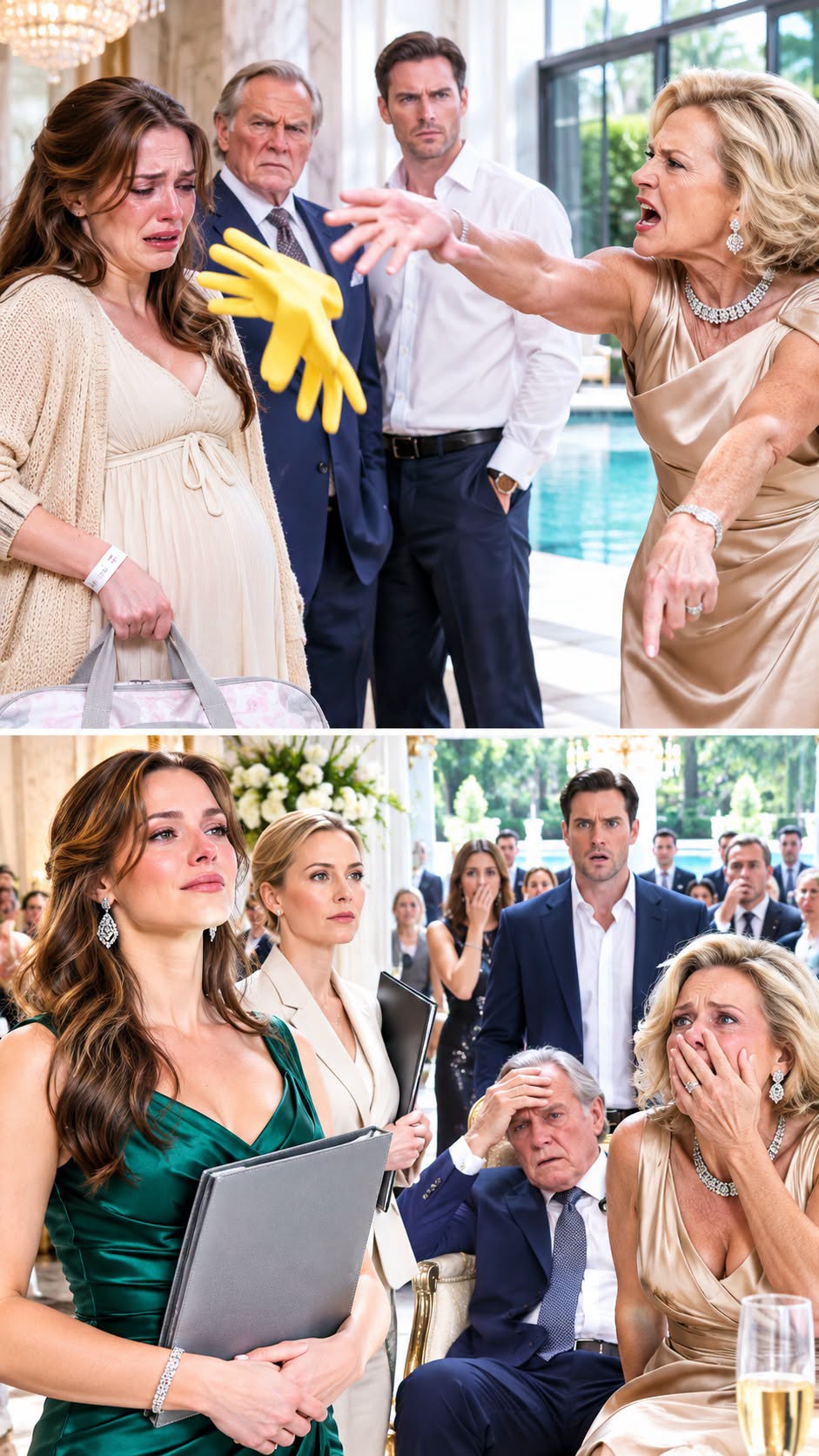
Three hours after giving birth to my daughter, I learned my husband had abandoned me at the hospital—and his parents were already planning to turn me into their unpaid servant. By sunset, the people who thought they owned my life would discover that I was the only reason their entire fortune still existed.
My name is Emily Carter. I am thirty-five years old, and until that Friday morning, I had spent years convincing myself that loyalty and quiet sacrifice were the foundation of a good marriage. I had funded a lavish lifestyle, bankrolled property upgrades, and quietly kept a struggling family enterprise afloat behind closed doors while letting my husband take the credit. In return, I expected basic decency, especially on the day our child entered the world.
Instead, I lay in a sterile hospital bed on a Friday morning, trembling from fourteen hours of grueling labor. Every muscle in my body ached with a deep, bone-rattling exhaustion that sleep could not touch. Beside me, wrapped in a soft hospital blanket, lay my newborn daughter, Grace. She had tiny dark tufts of hair, fingers that curled around mine with surprising strength, and a quiet, fragile beauty that made the ache in my chest feel almost bearable.
For the first time in months, I felt a surge of warmth that had nothing to do with obligation. Grace was mine. Whatever storm came next, I would face it for her.
My fingers shook as I reached across the bedrail for my smartphone. The screen glowed softly against the dim morning light filtering through the blinds. I expected a long message, maybe a rushed apology or a dozen questions about whether Grace had all ten fingers and toes, whether my delivery had gone smoothly, whether I needed anything before my parents or a friend arrived.
There was only one message from my husband, Daniel.
“Mom needs me at the house. Take a taxi when they discharge you.”
I stared at the words until the letters blurred. I blinked, unlocked the phone, and read the text again, waiting for a second line to appear, for a joke, for some sign that he had typed it in a panic and meant something else. Nothing came. No congratulations. No asking about our daughter. Just a cold, transactional command.
A hollow sensation opened up in my stomach, colder than the air conditioning humming overhead. Grace let out a soft whimper in her bassinet, and I quickly shifted closer, smoothing a hand over her blanket until she settled again. My pulse hammered against my ribs. After fourteen hours of pushing through pain that had left me drenched in sweat and shaking uncontrollably, the man who had promised in front of a hundred guests to cherish me in sickness and in health couldn’t even spare ten words for his newborn child.
I tapped Daniel’s contact and pressed call. The tone rang once, twice, three times, before clicking over to a voice I knew far too well.
“Daniel is busy, Emily.” Margaret’s voice came through the speaker sharp, clipped, and dripping with impatience. “Stop behaving like you’re the first woman to give birth.”
My throat felt raw, dry as sandpaper. “Margaret, I can barely walk.”
I wasn’t exaggerating. Every attempt to shift my weight sent a sharp pull through my lower body, and my legs felt like lead. A nurse had just warned me a few minutes earlier to take things slowly and not rush standing up.
“Then ask the nurses for help,” Margaret snapped without a trace of warmth. “We have important guests coming.”
Before I could ask what she meant, or remind her that her granddaughter had just been born hours ago, the line went dead.
I held the phone against my chest for a long moment, listening to the rhythmic beeps of the room’s monitors. A tear slipped down my temple and soaked into the collar of my hospital gown. I wiped it away roughly with the back of my hand. Crying wouldn’t warm the room, and it wouldn’t turn Daniel into a man who cared.
Across town, inside the sprawling marble-and-glass estate everyone in the neighborhood called the Carter mansion, life was moving at its usual self-important pace. I knew the layout of that house better than anyone else—not just because I lived there, but because when the mortgage payments and renovation bills had piled up, it was my accounts that had kept the lights on and the contractors paid. Margaret loved hosting afternoon gatherings by the pool to show off her status, and Richard, my father-in-law, loved sitting in the front hall behind a broadsheet newspaper, acting like a patriarch ruling over a kingdom he hadn’t actually maintained.



