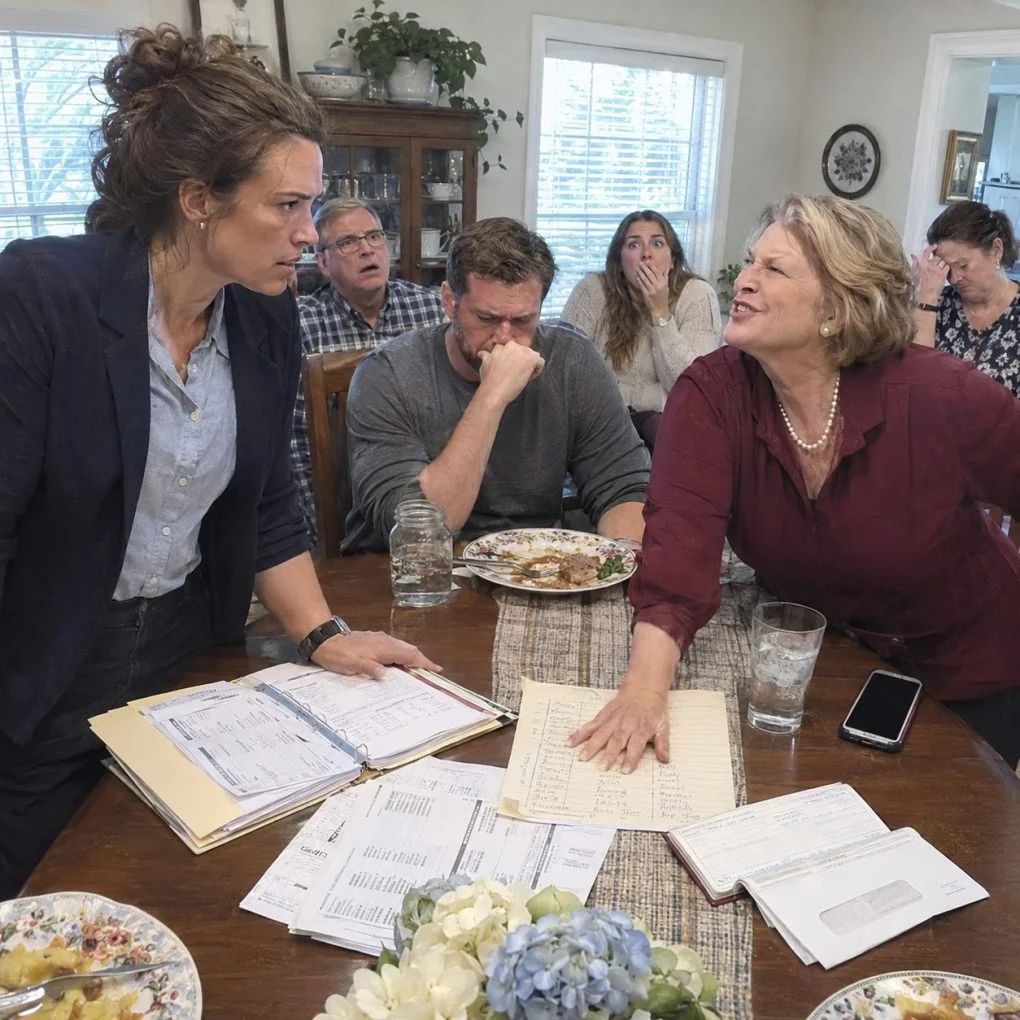
“You spend too much of MY son’s money!” my mother-in-law snapped after seeing a purchase I’d made with my own salary. My husband stood beside her and told me to apologize. I couldn’t believe what I was hearing. “I earned every dollar myself,” I said. “And the next time your mother questions my paycheck, I’ll tell her exactly where our money goes.” My husband’s face went pale. Then he whispered, “Please don’t bring up the bank accounts in front of Mom.” That was when I knew something was terribly wrong…
“One more word from your mother about my paycheck, and I won’t be polite anymore,” I told my husband, Daniel, while his mother was still talking on speakerphone. She had just called a $149 pair of nursing shoes “reckless spending,” even though I’d bought them after the soles of my old ones split during a twelve-hour shift.
“She’s my mother, Rachel,” Daniel sighed. “Show some respect.” I set down the hospital lunch bag I’d carried home from my fourth shift that week. “Then tell me why she thinks she has more control over money I work sixty hours a week to earn than I do.”
His face changed so quickly that I stopped breathing. He reached for the phone, but his mother, Diane, had already heard me.
“Somebody needs to watch your spending,” she snapped. “You have no idea what this family owes.”
My name is Rachel Bennett, I’m thirty-five, and I work in a cardiac intensive-care unit in Columbus, Ohio. For five years, I’d deposited my wages into the checking account Daniel and I used for household expenses, and we’d agreed that larger purchases came after rent, utilities, and savings—not after his mother’s permission.
At first, Diane’s remarks seemed like ordinary disapproval. She questioned a haircut, the birthday flowers I bought my sister, and the money I spent replacing my mother’s broken microwave; lately, though, she’d begun quoting exact prices, sometimes within an hour of a purchase.
“How does she know about my shoes?” I asked.
Daniel rubbed his forehead. “I send her our monthly budget. She’s good with numbers.”
“A budget doesn’t tell her what I bought this afternoon.” He glanced at our wedding photograph in the hallway. “I shared the banking login so she could help me keep track.”
I was angry enough to cry, but something else caught my attention: a $1,860 payment marked CARD SERVICES that had appeared on our checking statement every month since January. Daniel had always called it the payment on our household credit card, although our regular card’s balance was almost zero.
I opened my credit-monitoring account while he stood beside the kitchen counter. Two unfamiliar cards appeared under my name, both opened eleven months earlier, with a combined balance of $38,740.
When I demanded the statements, Daniel reluctantly opened them on his phone. One listed Diane as an authorized user; another showed a $24,600 cabinet charge delivered to her address.
I turned the screen toward Daniel. “Tell me you didn’t use my name to buy your mother a new kitchen.”
He didn’t deny it. Instead, he whispered, “Please don’t call the bank until I’ve explained what Mom and I agreed to.”…Discover what happens next here.👇
For a moment I could hear the refrigerator motor and nothing else. I’d worked through Christmas, missed my niece’s school play, and eaten dinner alone in my car to earn overtime that I thought was rebuilding our savings; all the while, somebody had been using my good credit to decorate a house I wasn’t welcome in without an invitation.
“What did you agree to?” I asked.
Daniel pulled out a chair but didn’t sit. “Mom’s kitchen had water damage. Insurance denied part of the claim, and she couldn’t qualify for the financing. We planned to pay it back before you noticed.”
“So you opened credit cards in my name?” He stared at the floor. “I had your Social Security number from our tax return. The applications were online.”
My hands went cold. Those weren’t joint cards we’d chosen together; the primary borrower was me, and I’d never seen the applications, accepted their terms, or authorized his mother to carry one of the cards.
I asked why Diane had been monitoring my purchases. Daniel admitted she’d installed the same budgeting app he’d linked to our joint checking account, and he sent her screenshots of my pay stubs so she could estimate how much we could put toward the cards each month.
“She said you spend too much on yourself,” he murmured. “If we kept expenses down, we could clear the balances.”
I remembered Diane inspecting my worn winter coat at Thanksgiving and saying I finally looked as though I understood sacrifice. She’d watched me mend its lining while workers installed marble countertops in her kitchen, and she’d still called me spoiled for buying new shoes that kept my feet from bleeding.



