Then I saw a second signature, written beside the word Witness. It belonged to my mother.
I drove to the house that afternoon, not to shout but to ask her whether she understood what she had signed. She was standing beside the dishwasher, scraping dried cranberry sauce from a plate, and for a second I remembered being nineteen and watching her save the last piece of pie because she knew it was my favorite.
“Did you see my name on that paper?” I asked. Her dishcloth stopped moving, but she didn’t look up.
“Veronica said the bookings would help her business,” Mom answered. “We thought you’d be proud once they started making money.”
“I paid six hundred and eighty thousand dollars so you wouldn’t lose your home,” I said. “Why wasn’t that enough to make you proud?”
Dad came in from the hallway and accused me of humiliating the family over a misunderstanding. Before I left, he said, “You always make everything about what you’ve done for us,” as though the roof over his head were an unpleasant subject I’d invented.
That night, Leah forwarded one last screenshot from the family chat, posted Wednesday, before Thanksgiving. Mom had written: Don’t invite Hannah. She’ll recognize the signature on the venue agreement, and she’ll ruin Veronica’s announcement.
I stared at the message until the screen dimmed.
They hadn’t excluded me because I was too ordinary. They’d excluded me because I was the only person who could tell their guests the truth.
I wanted to drive back to the farmhouse and demand an apology, but something mattered more than my hurt. Three families had paid for celebrations that couldn’t take place there, and every day Veronica delayed admitting it, somebody lost another chance to find a real venue.
My attorney sent each customer proof of ownership and advised them to preserve their contracts. She also warned my parents that their occupancy agreement permitted residential use, not commercial bookings, and that further misrepresentation would breach its terms.
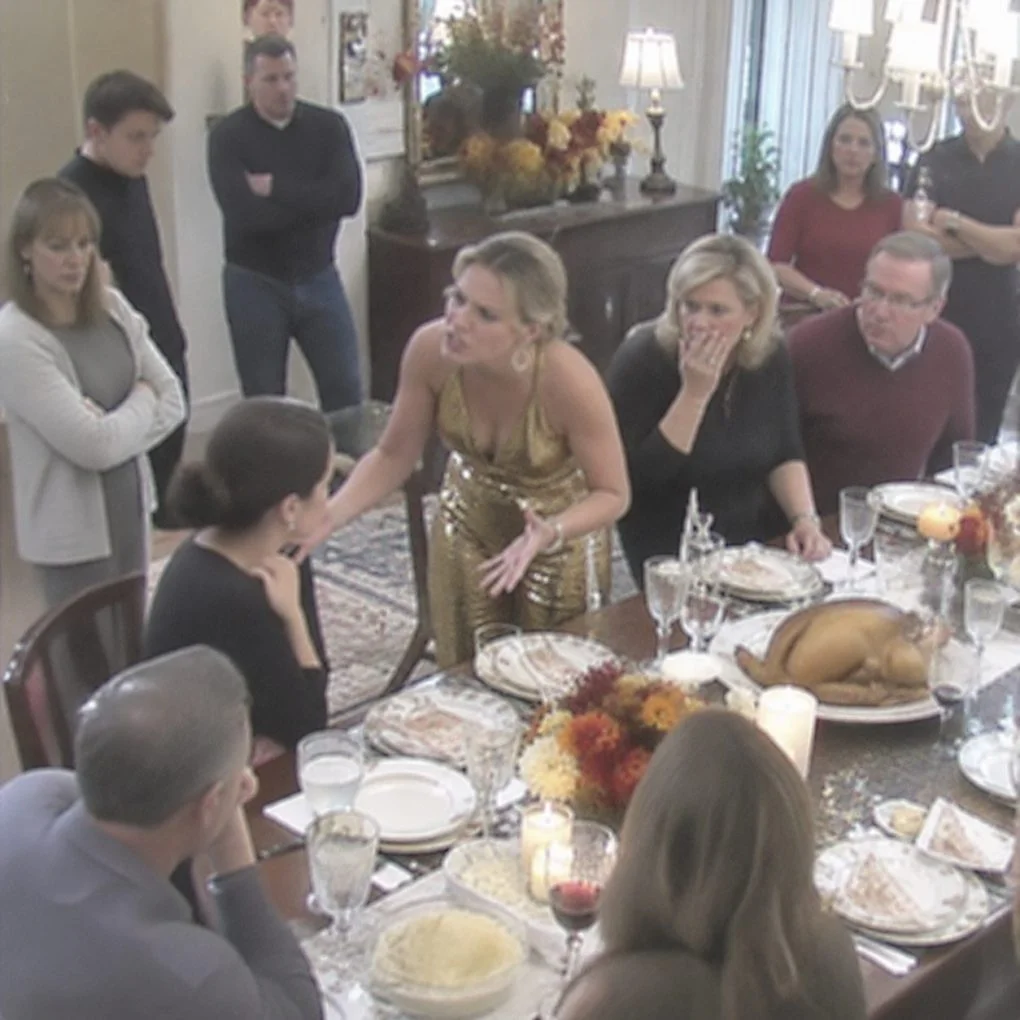
The following Sunday, I met the three customers, my parents, and Veronica at the house, with my attorney present. Veronica arrived in the same gold jumpsuit, but Uncle Paul didn’t sit when she offered him coffee.
“You told me Hannah approved this,” he said, laying his wedding contract on the table. “My daughter has already told her bridesmaids they’re getting married here.”
Veronica looked at Dad. He started telling everyone how families ought to help each other, until my attorney placed the recorded deed beside his signed property-manager declaration and explained that neither parent had authority to license the property.
“It’s a family home,” Veronica insisted. “Hannah doesn’t even use it.”
“That’s true,” I said. “I let Mom and Dad live here because I wanted them safe. But generosity isn’t permission for you to sell something that isn’t yours.”
I opened the folder containing the original renovation form and the altered authorization bearing my copied signature. Uncle Paul compared them, and Veronica reached for the second page as though moving it could somehow change the handwriting.
“Before you ask anyone else for money,” I told her, “explain why your business accepted fifty-two thousand dollars for a venue you never had permission to rent.”
She looked toward Mom, who remained seated with both hands curled around her mug. For the first time, nobody hurried to rescue Veronica from the consequences of her words.
The customers demanded refunds and canceled their bookings. After speaking with their lawyers, Veronica signed repayment settlements, and my parents agreed to contribute toward refunds for the false authorization they’d endorsed; the final installment was paid nine months later.
I reported the suspected forgery rather than promising anyone an instant arrest or courtroom victory. Veronica closed her events business, and relatives who had praised her extravagant plans declined to lend her money again.
I offered my parents a choice: honor the remaining year of their residential agreement without commercial use, or arrange an early move by mutual consent. They chose to leave that spring for a smaller rental, and I didn’t ask them to pretend it was my idea.
Mom came to my apartment before moving day with a plastic container of pumpkin pie. She set it on the counter and whispered, “We thought you’d always understand,” which finally explained how they had justified taking from me without asking.
“I understood that you needed help,” I said. “I never agreed to disappear so Veronica could look important.”
The following Thanksgiving, I cooked in the farmhouse for Leah, Uncle Paul, and the friends who had helped repair its neglected garden. There was no gold jumpsuit, no business pitch, and no empty chair carefully hidden from photographs.
When Leah passed me the gravy, she asked whether I wanted another slice of turkey. I looked around the table before answering, grateful that this time I didn’t need a deed or a lawyer to explain why I belonged.



