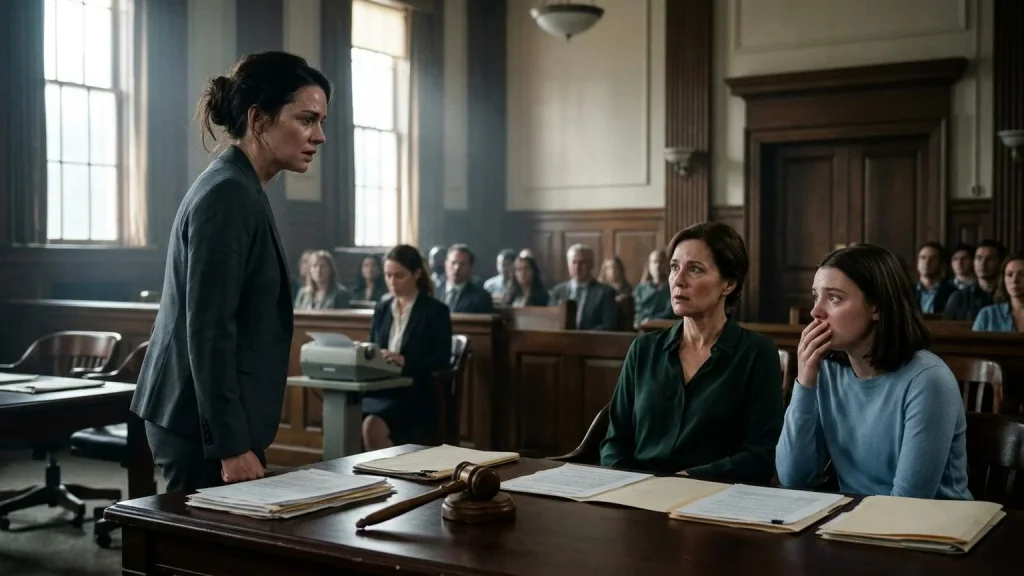
When I woke after twelve hours of heart surgery, my sister stood beside my hospital bed with a smile. “Your house belongs to my boyfriend now.” Mom whispered, “Keep the peace.” I said nothing until my attorney discovered the exact time someone had signed my name…
“Your house belongs to Mason now,” my sister said, smiling beside my hospital bed. “We closed while you were in surgery, so there’s no reason to make a scene.”
I’d been awake for twenty minutes after a twelve-hour operation to replace a damaged heart valve. A monitor beeped beside my shoulder, my throat felt scraped raw, and I couldn’t lift my left hand without pulling at the IV taped to my wrist.
“What house?” I whispered, although I already knew. Brooke held up her phone, displaying a photograph of the white lakeside home outside Grand Haven, Michigan, where I hoped to recover.
“Mason bought it for $235,000,” she said. “We’re fixing it up before moving in. You weren’t using it anyway.”
I had paid $470,000 for that house five years earlier, after years as a hospital systems analyst. I’d chosen the blue kitchen tiles myself and spent evenings on the back porch listening to the water, imagining a life that didn’t revolve around deadlines or doctor’s appointments.
Mom stood beside the window, twisting the strap of her handbag. “Lauren, let it go for family peace. Brooke’s had a difficult year.”
I looked toward Dad, waiting for him to say this was a terrible misunderstanding. He studied the floor and muttered, “Your mother thinks it’s best.”
When I tried to sit up, pain shot through my chest and the monitor alarm sounded. My nurse came immediately, asked my family to leave, and helped me settle back against the pillows while I counted each breath.
Before Brooke left, she placed an envelope beside my water cup. “Here’s the paperwork, so you can’t say we hid anything.”
For three years, I’d trusted Brooke to arrange repairs to the house whenever my work or medical appointments kept me away. She sent photographs of roofing work, landscaping, and plumbing invoices; I paid them because I believed she was protecting the home I loved.
I hadn’t authorized a sale, given anyone power of attorney, or agreed to sell to her boyfriend. Yet the document inside the envelope was a recorded quitclaim deed, naming Mason as the new owner at half its appraised value.
A nurse helped me photograph the pages and call my attorney, Rebecca Hart. She promised to check the county records immediately, then asked one question: “Lauren, what time did your surgery begin?”
“Seven-oh-six yesterday morning. I was under anesthesia until after seven that night.”
Rebecca went quiet. “The deed says you personally appeared before a notary at eleven twenty-six that morning.”
I studied the stamp beneath the signature that wasn’t mine. My fingers grew cold when I recognized the name printed under it.
Diane Whitaker. My mother.
Rebecca returned to my hospital room the next afternoon carrying a thick folder. The county had recorded the deed, but recording a deed did not make a forged signature genuine, and she was preparing a lawsuit to establish my ownership and stop any further transfer or borrowing against the property.
“Mason’s name is in the public record,” she explained. “That’s serious, but it isn’t the end of this. We need preserved evidence.”
I showed her the surgical timeline from my medical chart: anesthesia beginning at 7:06 a.m., the operation continuing through the afternoon, and recovery after 7 p.m. At 11:26 a.m., when Mom claimed she saw me sign, I was unconscious in an operating room with a team of surgeons around me.
“I want you to take care of your heart,” Rebecca said. “I’ll take care of the paperwork.”
The following week, Brooke called while I was sitting upright for the first time without help. “Mason’s contractor says you left personal things upstairs. If you don’t collect them, we’re donating everything on Friday.”
“Don’t touch my belongings, Brooke. You’ve been notified that the sale is disputed.”
She laughed. “It’s not your house anymore. Mom made sure the documents were legal.”
I forwarded the message to Rebecca, who sought a court order to preserve the property and prevent further transactions while the ownership dispute was heard. Mason had already contacted a lender about using the house as collateral for a renovation loan; the pending case and recorded notice of litigation stopped that plan from advancing.
Dad called that evening. “Do you have any idea how much this is costing your sister?”
“Do you have any idea what you asked me to forgive while I was recovering from heart surgery?”
He sighed. “Your mother said you’d agree. Brooke needs a fresh start.”



