Charlotte finally provided bank records through counsel. The account still held money, but roughly $186,000 had gone out under labels such as “college housing,” “tuition reimbursement,” and “student support.” None of the payments had reached my bank account or college.
They went to Cedar Lane Housing LLC, a company Charlotte owned. Its invoices claimed it had provided me with a furnished apartment, books, and transportation during semesters when I was actually sharing a basement room and walking to class to save bus fare.
I took photographs of my rent receipts, class schedule, and time cards to my attorney. There was nothing glamorous about them: greasy diner schedules, worn pharmacy name tags, and a notice demanding the rent I’d once been two days late paying. For the first time, those ordinary scraps proved something my sister couldn’t laugh away.
Then the attorney showed me where the LLC’s money had gone. Bank records linked a large transfer to the closing agent who handled Charlotte’s new home purchase, followed by payments to a contractor who had remodeled her kitchen. She had not simply forgotten to tell me about my trust.
I remembered standing on Charlotte’s porch the winter my landlord sold the building, my pillow and backpack in the trunk of my car. She’d looked past me at the empty guest bedroom and said, “You need to learn to stand on your own feet, Hannah.” I slept in a grocery-store parking lot that night, running the heater for brief moments.
The house she’d refused to let me sleep in had been purchased, in part, with money meant to keep me safe.
Outside the probate courtroom, Charlotte held a paper coffee cup that trembled between her hands. She wasn’t laughing now. For one awful second, I remembered her braiding my hair before Mom’s funeral, and I almost wanted to sit beside her.
Then she said, “You could have kept this between us.”
I sat across from her. “I asked you for a place to sleep, Charlotte. You told me to figure it out myself while my money was helping pay for your house.”
She stared into her cup. “I was going to put it back when I could refinance. I thought you’d finish college later.”
“You never asked what I wanted.” I stood when my attorney called my name, and Charlotte stayed on the bench.
The court proceedings did not end with a dramatic speech or an instant transfer of the entire $420,000. My lawyer presented trust statements, the false housing invoices, my actual rent receipts, and the corporate records connecting Cedar Lane Housing LLC to Charlotte. When pressed for the original acknowledgment, Charlotte admitted she’d copied my signature from an old card.
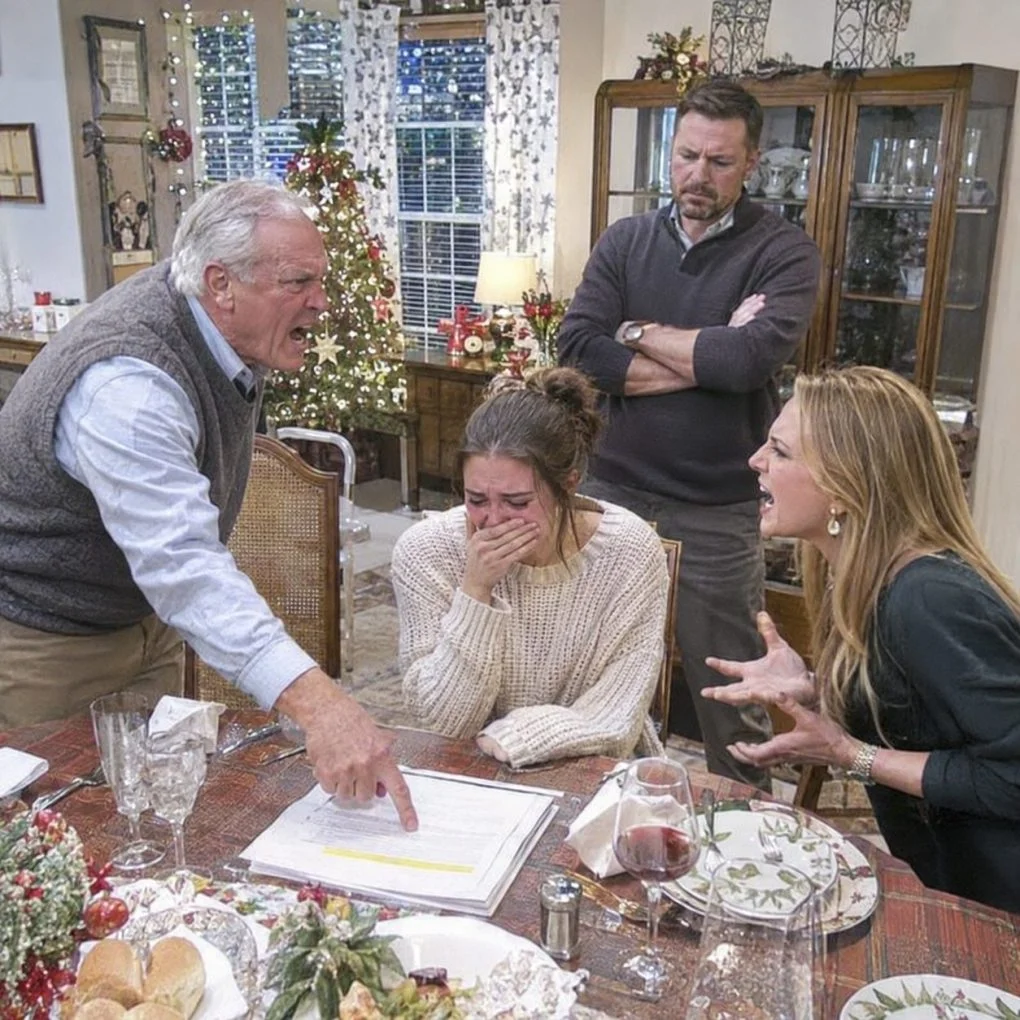
Grandpa explained he’d created the trust after Grandma died so I could study nursing without fearing rent, meals, or unexpected bills. He stopped speaking when he described how I’d been working three jobs while the fund was supposedly paying my way.
Charlotte’s attorney argued that she had believed some expenses were allowable and planned to reimburse the account. But the invoices described housing I had never occupied, and Charlotte had personally benefited from the payments. Her explanation could not change those facts.
The court removed her as trustee and approved an independent professional to take over. Charlotte ultimately entered into an enforceable agreement to repay the $186,000 she’d diverted, along with costs, rather than prolong the case. She sold the house, used the proceeds and other savings, and completed the repayments over the following eleven months.
When the sale notice appeared online, I stared at the photographs of her renovated kitchen. I remembered the porch light going dark as I walked back to my car that winter. I didn’t celebrate losing a sister; I felt the quiet relief of knowing she couldn’t keep the house by making me pay for it.
With the independent trustee in place, my tuition and approved living costs were paid directly from the trust, and I cut my work schedule back to one weekend shift. I didn’t become rich overnight or stop budgeting groceries. I could finally attend clinical placements without calculating whether missing six hours at the diner would cost me my room.
Grandpa apologized for not checking the reports more carefully. I told him he hadn’t stolen anything, but he shook his head and said he should have asked how I was doing instead of accepting Charlotte’s assurances. We started having breakfast together on Sundays, sometimes saying very little, with Mom’s old recipe cards stacked beside his coffee mug.
The following Christmas, I came to dinner in a clean sweater without rushing from a shift. Charlotte wasn’t there; the family relationship remained broken, and nobody pretended otherwise. Grandpa asked how nursing school was going, and I told him I’d passed the semester with honors.



