The release form was clipped to a property inventory. At the bottom, below a line for my signature, a box had already been checked. It said I’d received all my belongings and declined medical attention. I thought of the dress still hanging in my rental car. My mother had known which officer might pull me over, and somebody had already typed up what I would supposedly say afterward. I handed the clipboard back, took my ID, and asked the dispatcher to note that I’d left without signing. She looked straight at Donahghue as she wrote down the time.
Jasmine was waiting on Mama’s porch with Marcus Reed, a reporter I remembered from high school. Before Jasmine showed me the statement, Marcus told me Mrs. Bell was home with a bruised knee. He’d interviewed her on her front steps, where she’d insisted he spell her last name correctly. That sounded so much like her that I laughed once, right there on the porch. Then Jasmine handed me an envelope with my name on it. Mama’s grocery list was still on the back.
Mama had volunteered at the courthouse records desk on Tuesdays. She’d noticed people coming in to dispute bills for days they’d supposedly spent in a county detention facility run by New Horizon Corrections. One woman had pay stubs and a supervisor who remembered driving her to work on every one of those days. Mama started keeping names. Then she caught Henson dropping off custody forms with signatures already filled in. When she asked who had signed for the detainees, he told her to be careful about making accusations. He mentioned me by name and asked when I’d next be home.
“You need to see the register,” Marcus said. We got to the courthouse just before the clerk locked up. In the records room, he laid a copy of the town’s payment ledger beside an old booking register. New Horizon billed the town for each day a detainee spent in custody. Some names appeared in the ledger twice in the same week. Some appeared after a judge had ordered the person released. Marcus turned one more page and stopped at Daniel Reed, age twenty-three. The town had paid twelve days of detention fees after Daniel died.
“My little brother,” Marcus said. “They told us he’d been transferred. My mother called three counties looking for him.”
Jasmine pulled her chair up to the table. “My father approved those payments,” she said. “And he called the station before your stop.” She set her phone between us and played a voicemail from that morning. The mayor’s voice was mild and familiar. He asked her to tell Sarah Walker’s daughter that the envelope could still be returned. Then he said, “Bradley’s going to have a word with her when she gets into town. I’d rather you handled it first.”
I’d thought Henson had seen a Black woman driving alone and figured he could get away with whatever he wanted. Now I knew why he’d opened my back door before asking for my license. He’d been looking for an envelope I didn’t even know existed. I asked Jasmine why her father thought I had it. She pointed to Mama’s statement. The last line read, I told Richard I mailed the copies to Regina. My mother had sent him looking in the wrong place while Jasmine and Marcus gathered more records.
That evening, I buried Mama’s dress shoes in the closet under a pile of old sweaters because I couldn’t stand to look at them. The next morning, after we buried her, I stood on the church steps in the same black dress and asked anyone with a Millbrook custody receipt to bring it to First Baptist that night. People came with money-order stubs, court notices, and photographs. Marcus never made it. I found him sitting on the urgent care curb with his wrist wrapped. Two men had knocked him down outside his office and taken his laptop.
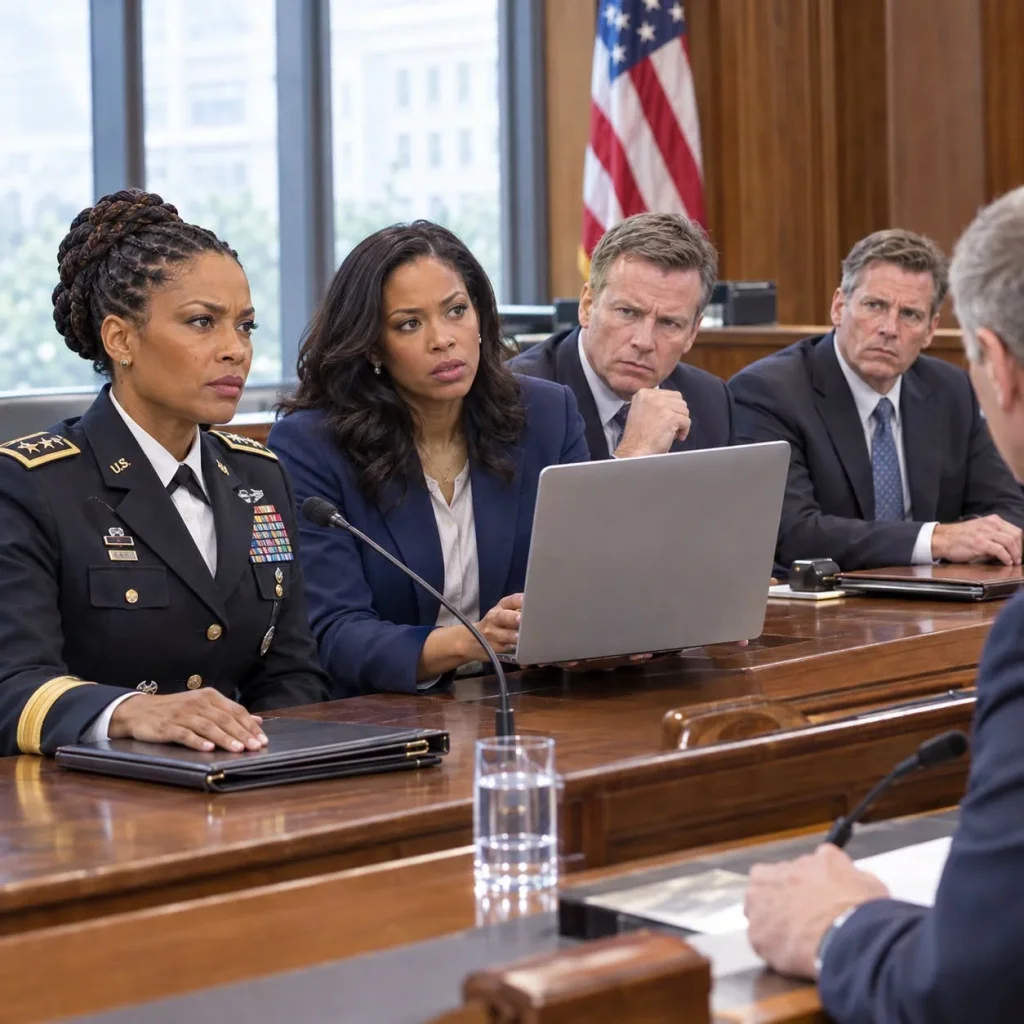
While I was driving him home, Harris called. The station’s dispatcher had used the number he’d given her. She’d filed Henson’s faulty-camera report herself, and the dock had finished uploading his footage before he made her mark the file for deletion. She had preserved the recording through the department’s evidence system. Now she was waiting behind the church, too scared to walk past the front windows. I turned the car around. Before we reached the next light, Harris said, “General, she’s telling me Henson just pulled in behind her.”
If you’ve read this far, don’t hesitate to leave a like and comment before reading part 3. It makes us as happy as reading a complete story! Thank you. 👍❤️



