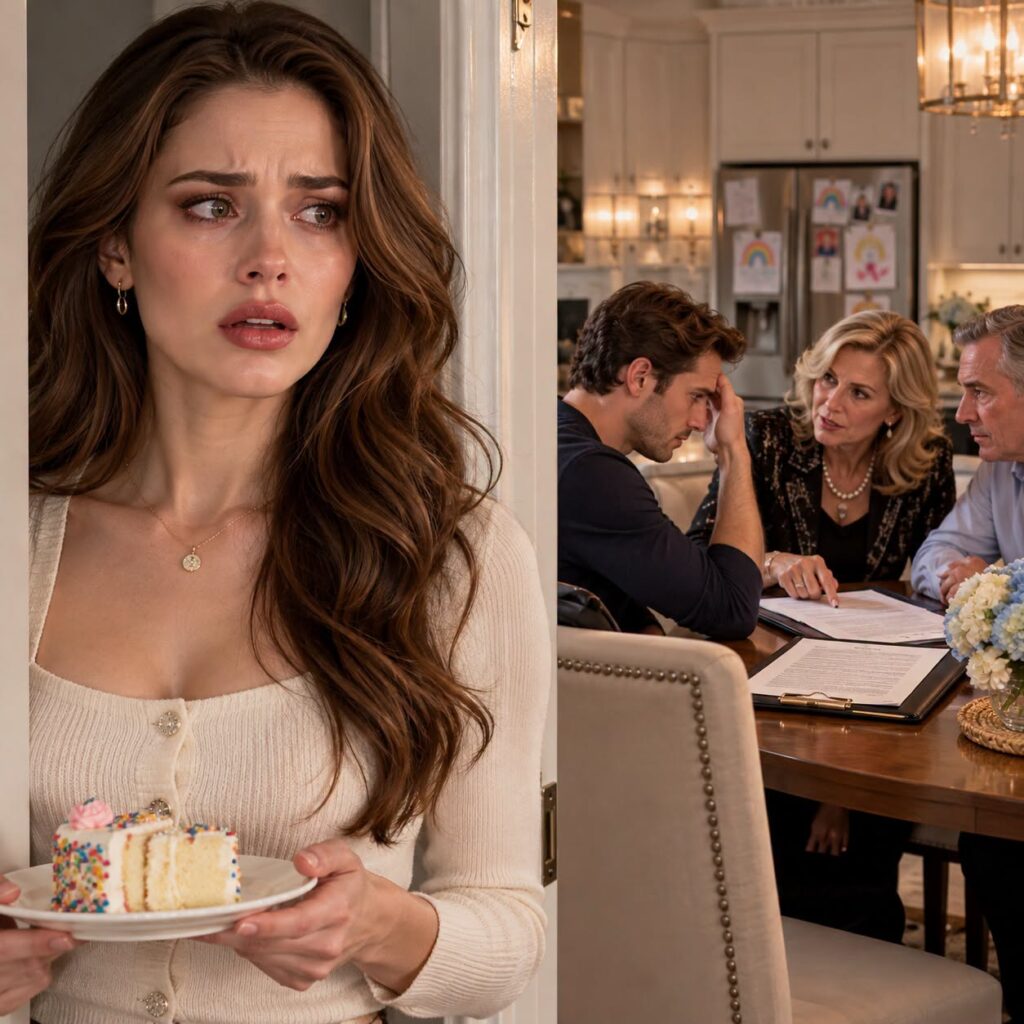
Then Lydia’s paralegal walked in carrying a second set of court records.
“There’s something else,” she said.
Luke had filed a custody complaint Wednesday morning—before I’d overheard him, before I’d packed a single suitcase. His sworn statement claimed I’d threatened to disappear with the twins, was emotionally unstable, and might remove them from Ohio.
My hands trembled as I read it.
This wasn’t a man panicking because his family had left. He’d prepared to accuse me of running away before I even knew I needed to leave.
The plan finally made sense. Once I challenged the fraudulent transfer, they’d use my departure as ammunition in a custody fight. Luke would demand I stop questioning the house to keep the peace over the children.
But he’d made one mistake. I hadn’t left Ohio, hidden the twins, or denied him the chance to arrange safe parenting time. I’d documented my location and asked for legal help immediately.
Lydia filed a civil action challenging the deed and sought emergency relief against any further transfer. She also prepared a response to Luke’s custody allegations. I saved his texts, changed my banking passwords, and froze my credit.
At 5:47 p.m., another message arrived. Not from Luke.
It was from Frank, his father.
I thought you should know what Janice made him sign. There’s a second document. It’s about the twins.
Attached was a photograph of a notarized paper bearing my signature again.
Across the top were the words: CONSENT TO TEMPORARY SOLE CUSTODY.
And this time, someone had written that I was leaving my children willingly.
I read the forged consent twice.
Willingly.
I’d spent four years measuring medicine, cutting grapes, and comforting Ellie through nightmares. Now Luke’s family wanted a piece of paper to make me disappear as their mother.
“Don’t answer Frank yet,” Lydia said when I forwarded the image. “Preserve the message. Let me request the original.”
The next morning, Frank met Lydia and me in her office.
“Janice told me the house transfer was Naomi’s idea,” he said. “She said Luke had a custody agreement, too. Then I saw the signature.”
He slid his phone across the desk. A text from Janice read: If Naomi won’t cooperate, we use the consent and make her fight for the kids. She’ll back down about the house.
I wanted to scream. Instead, I photographed the screen and asked Frank to preserve the entire conversation for our attorneys.
The custody paper had never been filed. It was another forged document they intended to use as leverage. Frank had refused to witness it, and his refusal was why he’d finally come forward.
Lydia submitted the document and text messages in court, along with my dentist receipt, the preserved office video showing me arriving with Owen, and the county deed bearing Janice’s notary seal. The lender’s fraud team confirmed the loan funds had never been released.
At the custody hearing, Luke wore the navy suit I’d bought for our engagement photos. His attorney spoke first, describing me as impulsive and uncooperative.
Then Lydia walked the judge through the timeline.
Wednesday morning: Luke filed papers warning I might flee.
Wednesday afternoon: his mother certified a signature I hadn’t made.
Thursday night: I overheard their plan.
Friday morning: I stayed in the same county and contacted counsel.
Under questioning, Luke admitted he’d never heard me threaten to leave the state.
The judge declined his request for emergency custody and issued temporary orders focused on the twins’ stability and safe contact with their father. The criminal investigation into the forged documents continued separately.
Outside the courtroom, Janice stepped into my path. “You could have kept this private,” she hissed.
I looked straight at her. “You put my name on a deed and my children on a threat. You made it public.”
Months later, the civil court set aside the fraudulent deed and cleared my title. Janice pleaded guilty to forgery, lost her notary commission, and was ordered to pay restitution. Luke also faced charges arising from the documents he’d submitted; his case ended in a guilty plea and court-ordered penalties.
I ended our engagement without one final argument. Our attorneys established a parenting schedule, and I never asked the twins to choose sides.
One autumn evening, Ellie found our old wedding invitation in a drawer.
“Are you sad you didn’t get married?” she asked.
I sat beside her and Owen on the living room rug, beneath the roof I’d almost lost.
“I’m sad someone we loved made hurtful choices,” I said. “But I’m glad I protected our home.”
She climbed into my lap. Owen followed, carrying both stuffed rabbits.
I held them until the porch light came on.
Luke said our children made him feel trapped. They were the reason I found the courage to open the door.



