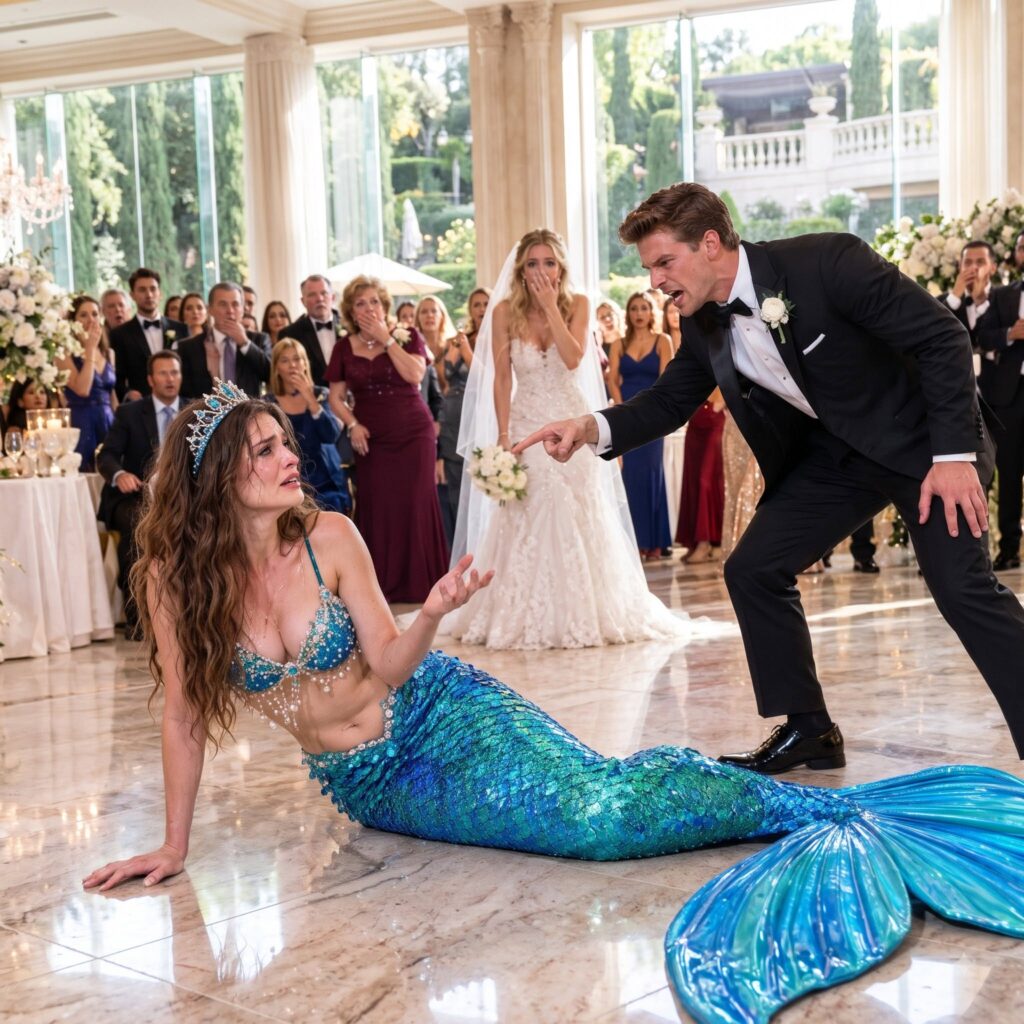
You could have just paid the difference.
I ignored him until he appeared at my apartment.
“Madison moved out,” he said. “She called off the wedding.”
“I’m sorry.”
He stared at me. “You could have helped me!”
“I spent $8,400 trying to make your wedding special. You humiliated me, then let someone use my name to promise money I never agreed to pay.”
“I was under pressure.”
“So was I.”
He lowered his head.
“I thought I could get through the wedding and fix everything afterward.”
“By blaming me?”
He had no answer.
Finally, he whispered, “I never thought you’d actually leave.”
“That’s the problem, Ryan. You thought I’d always stay, no matter what you did.”
His eyes filled with tears.
“I didn’t mean to hurt you.”
“But you did.”
“I know.”
It was the first time he’d admitted it without making excuses.
I told him I wouldn’t pay his debts or cover the missing money. If he wanted to repair our relationship, he had to tell the truth and accept responsibility.
Before leaving, he asked, “Will you ever forgive me?”
“Maybe. But forgiveness doesn’t mean I’ll let you hurt me again.”
He left without asking for money.
That was a start.
One Year Later
Madison eventually thanked me for preserving the original contract. She was taking time to heal, and I respected her decision not to rush into another relationship.
Ryan cooperated with the financial review and began addressing the legitimate expenses he was responsible for. The investigation took time, and not every question was immediately resolved.
Then he sent me a handwritten letter.
He admitted he’d been embarrassed about his financial problems. He’d feared the wedding expenses would expose the outstanding balance, so he’d chosen to humiliate me rather than tell the truth.
His final words read:
You gave me something beautiful, and I treated you like you were the problem because I couldn’t admit I’d made a mess of my own life. You didn’t ruin my wedding. I did. I’m sorry.
I read the letter twice.
I didn’t immediately forgive him. An apology couldn’t erase what had happened.
Months later, Ryan invited me to lunch.
“I don’t expect you to trust me just because I apologized,” he said.
“Good. Trust takes time.”
We talked honestly for the first time in years. Our relationship wasn’t magically repaired, but we began rebuilding it slowly.
I eventually replaced my broken car and took the beach trip I’d postponed to save money for his wedding.
As I watched the waves, I thought about the mermaid show and the night everything fell apart.
For a long time, I’d wondered whether spending so much money on the surprise had been a mistake.
But the real lesson wasn’t about money.
I’d given my brother a gift out of love. He’d treated my generosity as permission to humiliate me and expected me to protect him from the consequences.
I still loved Ryan, but I no longer believed love meant accepting every hurt or cleaning up every mess.
Thirty minutes after humiliating me, he’d begged me to save his wedding.
What he really wanted was for me to save him from the truth.
I couldn’t do that.
And finally, I understood that I shouldn’t.
The mermaid show never happened as I’d imagined. The guests went home, the decorations came down, and the wedding was canceled.
But I gained something more important: the courage to stand up for myself.
Sometimes, loving someone means refusing to rescue them from their own choices.
And sometimes, the best thing you can do for yourself is finally walk away.



