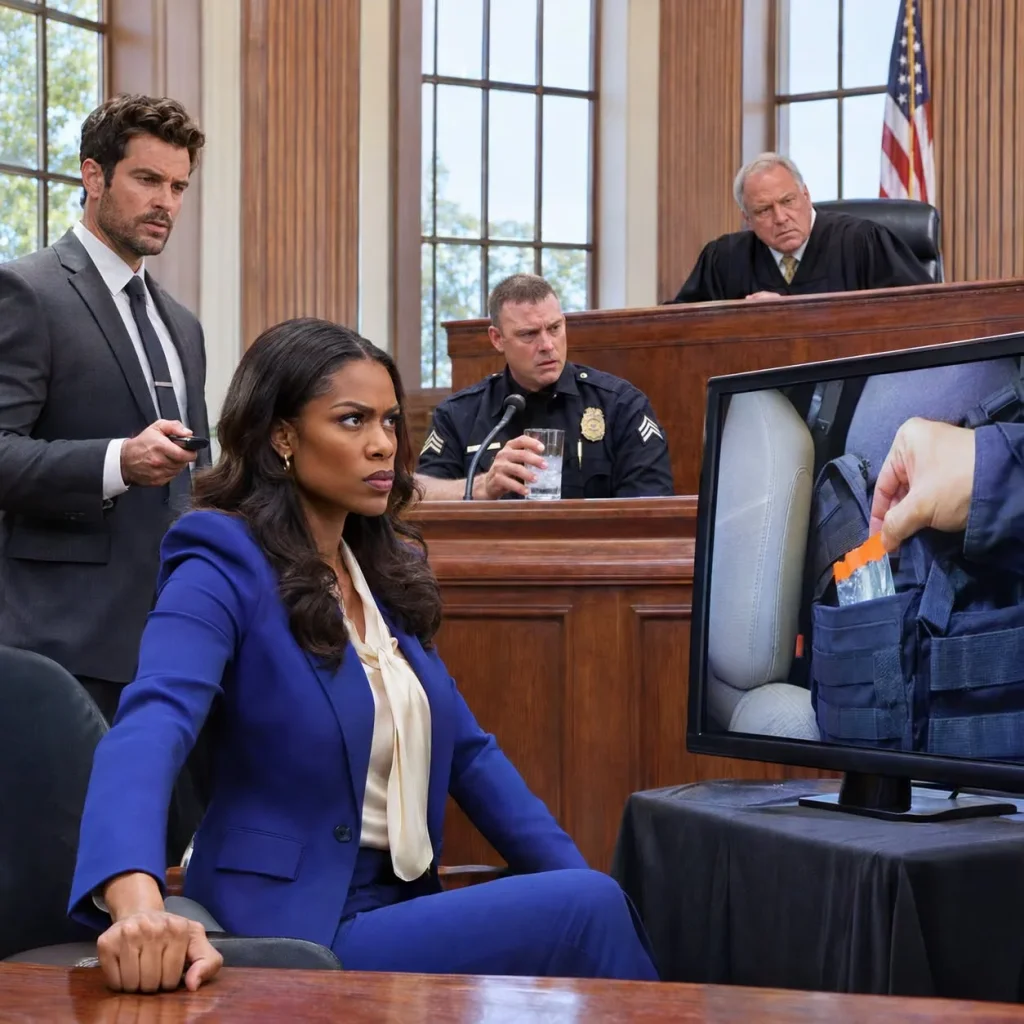
“Turn it over,” Ian said when we were all back inside. His lawyer had arranged for the prosecutor to hear him out before the jury returned. Michael lifted the rental agreement from the envelope. On the back, Griffin had written three plate numbers. Mine was in the middle, next to a check mark. Beside each plate was a mile marker and a time. The first time was crossed out. Ian said, “That driver took the bypass. We waited for you instead.”
Griffin had copied the plates from his dash while they sat near the highway entrance, watching cars leave the airport rental lot. Ian said Griffin liked out-of-state rentals because most drivers had to get home. In earlier cases, people had taken plea deals and gone home on probation. Griffin called those quick clears. He’d told Ian to radio in the recovery before they pulled me over. “I asked him what to say if you took the bypass too,” Ian said. “He told me we’d put the next plate on the report.”
Ian had kept the agreement because Griffin had ordered him to throw it away at booking. He’d also kept a county phone he was supposed to turn in when he switched shifts. On it were texts from Griffin about the orange-taped bag. Griffin had pulled it from a batch headed for disposal and made Ian sign the sheet before either of them took the batch downstairs. After my arrest, Griffin texted him again. Michael read that message out loud. “She has a camera. Put yourself at the door.” Ian looked at me when Michael finished. “I could’ve said no right there,” he said. “I had the phone in my hand.”
The prosecutor asked him why he’d radioed that he was taking me to booking. “I thought once we got there, with other people around, I’d be able to tell somebody,” he said. “Then we got there, and I signed it.” He wanted to testify. The prosecutor asked for more time with the phone, and the judge sent the jury home for the day. The next morning, Ian took the stand, admitted the report was false, and told the jury who put the bag in the car. On cross-examination, Michael asked how long he’d known the man from the earlier case was still in prison. Ian said, “Since sentencing.”
The state moved to dismiss my charge before the jury heard closing arguments. I’d spent months imagining what I’d say when I finally got my turn. When the judge told me I was free to go, I asked the clerk for two copies of the order. I sent one to my office from the hallway and put the other in my purse. At the bottom of the courthouse steps, Michael was already on the phone with the sister of the man from the spring case. I waited beside him while she asked him to say it all again.
Federal investigators went through 126 arrests. They used dispatch records and old evidence photos to work out which cases had the same early entries, the same missing evidence, or the same bag. Courts overturned 31 convictions. Ian pleaded guilty for his part and surrendered his badge. Griffin was sentenced to fourteen years in federal prison. I attended the sentencing and heard a woman in the row behind me say her son had missed all four years of his daughter’s high school. She’d brought a graduation photo. When the hearing ended, she showed it to me.
The man from Michael’s spring case was named Leon Ward. On the day he got out, his sister brought him a pair of jeans she’d bought in his old size. They were too big. He laughed when she held them up against him, and she laughed too, then pressed the jeans to her face. I’d brought a copy of the photo with the orange tape because Leon had asked to see what we’d found. He studied it in the parking lot, handed it back, and asked if I could drive him to his daughter’s school. She’d been told he was getting out Friday. It was Wednesday. We got there ten minutes before the bell, and when she came through the doors, he was standing right where he’d told me she’d look for him.
What do you think of this story? Please leave a like and share your thoughts in the comments. Your support means a lot to us and inspires us to keep writing more meaningful and powerful stories. Thank you! 👍❤️



