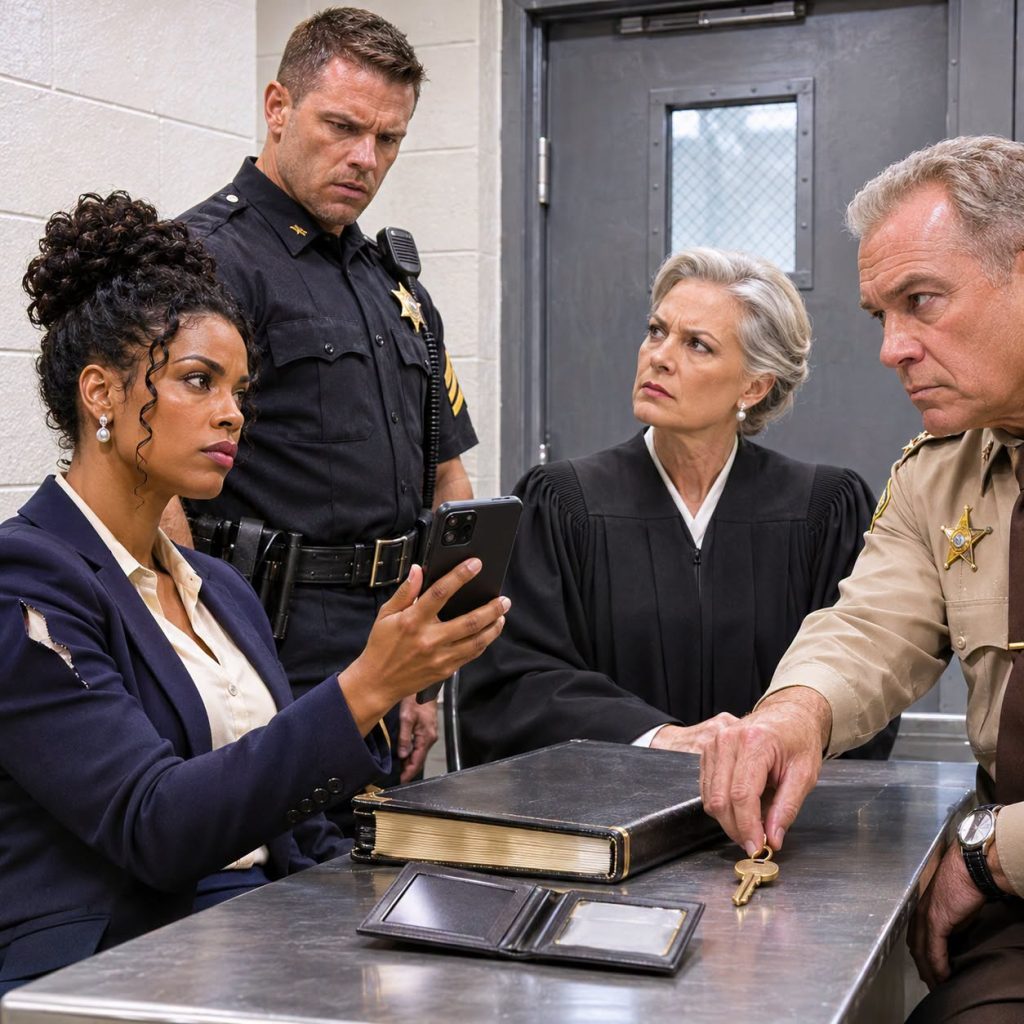
The FBI traced that label to a packet the county security office had assembled for the change in federal leadership. Gibson’s deputy administrator admitted she’d been told to close old files and list my office as their new custodian. Hicks used the packet to make it look as though my office had authorized a detention it had never heard about. Investigators found other entries altered the same way, some under the names of people who had retired. Hicks had spent years sending difficult cases upstairs on paper. By the time anyone asked about them, the people whose names he’d used were gone.
Agents reconstructed thirty-one unlawful detentions using dispatch recordings, courthouse entry logs, and the families who still had receipts from the parking garage. Several people had been held until they signed releases. The county paid some of them through a claims account that never appeared in the courthouse’s incident reports. Gibson had approved payments and signed off on sending the forms to Annex B. The county commission removed his department from courthouse security. He resigned during the investigation. I learned those details through the same public filings everybody else did. A team from another district handled the case, and when they needed me, they called me as a witness.
At trial, Hicks’s lawyer asked whether I could have saved everyone trouble by introducing myself the minute I walked in. “I told him I was meeting Judge Martin,” I said. “I showed him my pass. He took it.” The prosecutor played the recording. In the quiet of the courtroom, I heard something I’d missed that morning. Just after the frame broke, Haley had said, very softly, “That’s her father.” She’d helped me unpack a few things on Friday. She knew whose photograph it was. From the witness stand, I could see her sitting beside Riley in the second row. She kept her eyes on the speaker until the clip ended.
The jury convicted Hicks on all seven federal counts. At sentencing, the woman whose name Haley had copied told the judge that she’d been on her way to file for custody of her grandson when Hicks detained her. He’d kept her until the clerk’s counter closed. For months afterward, the boy asked whether she’d forgotten to come for him. “I told him I got held up,” she said. “I’d like to tell him what happened now.” The judge sentenced Hicks to five years in federal prison and ordered restitution. The county later revoked his pension under its forfeiture rules.
By the following spring, Annex B had a glass door, a staffed counter, and two chairs where people could wait for help finding court forms. Haley was there the morning it opened. She’d brought the woman and her grandson, a solemn little boy holding a paper cup of orange juice with both hands. I was carrying my father’s photograph. Riley had retrieved it from the lobby that first morning and slipped it into an evidence envelope. There was a crease across my father’s work shirt. The new frame held it flat enough that I could see the name stitched above his pocket again.
The boy asked if I worked upstairs. I said I did. “Is that where we’re going?” he asked his grandmother. She checked the floor number on her appointment slip and nodded. I walked with them to the public elevator and held the door while he studied the panel. His grandmother told him which button to press. He handed her the juice, stood on his toes, and pressed it himself. The doors started to close. Then she put her hand between them. “Kristen,” she said. “You coming?” I tucked my father’s picture under my arm and stepped inside.
What do you think of this story? Please leave a like and share your thoughts in the comments. Your support means a lot to us and inspires us to keep writing more meaningful and powerful stories. Thank you! 👍❤️



