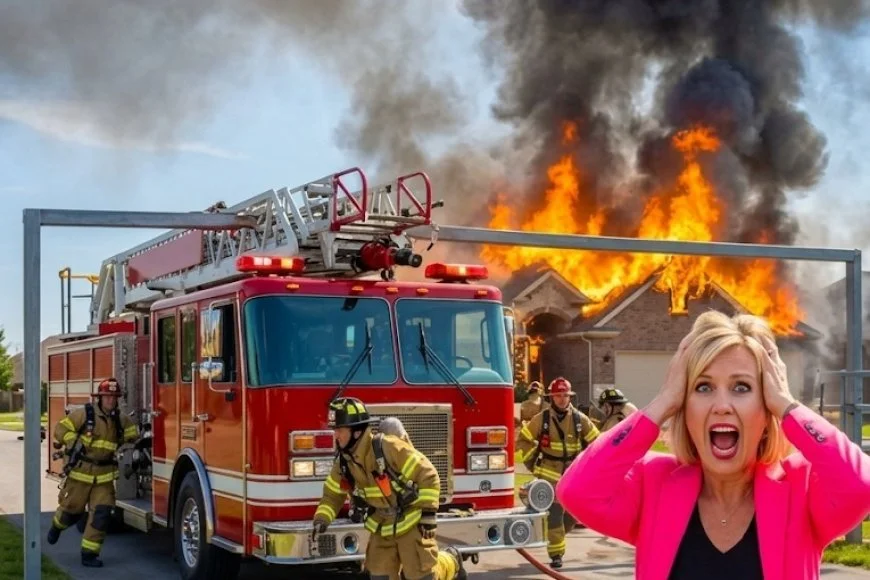
She kissed my cheek.
“You are an exhausting man.”
The pool contract became another mess.
Ridgeline had performed real work.
The pool existed.
The decking was installed.
The pergola stood.
Nobody wanted to pretend nothing had been built.
So independent estimators reviewed the project.
The settlement required money to be returned representing amounts determined to exceed fair-market pricing and resolved the conflict-of-interest claims without forcing residents to destroy perfectly usable improvements.
Again, boring.
Again, better than revenge.
The new board had seven members.
No permanent “security chief.”
No one-man enforcement department.
No fines based on somebody’s mood.
Major contracts required multiple unrelated bids.
Financial statements became available through a resident portal.
Annual independent audits became mandatory.
A three-person homeowner oversight committee received read-only access to association accounts.
Conflicts had to be disclosed before votes.
And any expenditure above the threshold in the original declaration went to homeowners exactly as the recorded documents required.
Westbrook became treasurer.
He was not charismatic.
Perfect.
I wanted a treasurer who enjoyed reconciliations more than applause.
Philippa’s newspaper story ran several weeks later.
Her headline was not about an evil HOA president.
She hated headlines like that.
It focused on governance failure.
How low turnout, poor financial controls, ignored governing documents, and concentrated authority allowed one person to make decisions almost nobody seriously reviewed.
The fire was part of the story.
But not the whole story.
That pleased me.
Because Renata was never a supernatural villain.
She was a person who discovered how much she could do when everyone else was too busy to check.
Then success taught her the wrong lesson.
Every time nobody challenged her, she became more certain.
Every time a shortcut worked, she took a larger one.
Every time somebody complained and then gave up, she learned complaints were harmless.
Until somebody kept the receipts.
Neighbors treated me differently afterward.
That part was awkward.
People who had stopped waving started waving again.
One woman who had ignored Darla for months brought us tomatoes.
She stood on the porch looking embarrassed.
“I should have asked you what was happening instead of believing what I heard.”
Darla took the bag.
“They look good.”
The woman smiled.
That was all.
No dramatic reconciliation.
We ate BLTs that evening.
Nobody mentioned the HOA.
That might have been my favorite outcome.
By summer, Cresthaven felt like a neighborhood again instead of a political organization with lawns.
The first block party under the new board was held in July.
Kids ran through sprinklers.
Someone burned hamburgers.
Citronella smoke drifted through the park.
Captain Falk came with his family.
I had spent two years avoiding speeches.
That evening, I gave one.
A short one.
The HOA had recovered money through insurance, settlements, refunds, and reimbursements.
Residents had voted to dedicate a small portion of those funds to something permanent.
I stood beside the picnic tables.
“Cresthaven is establishing an annual $2,000 community safety scholarship.”
People quieted.
“It’ll go to a local student pursuing firefighting, EMS, emergency management, law enforcement, or another public-safety field.”
I looked toward Captain Falk.
“Somebody planning to become the person who shows up when the rest of us need help.”
Falk raised his sparkling water.
The crowd applauded.
Then I sat down.
Darla handed me potato salad.
“That’s your big speech?”
“I said what needed saying.”
“You practiced for three days.”
“That is classified information.”
She smiled.
I looked toward the entrance.
Fourteen feet, two inches.
Black iron.
Gold finials glowing in the evening sun.
Children rode bicycles beneath it without noticing.
That was exactly how infrastructure should work.
Quietly.
A year later, a new homeowner stopped me while I was trimming hedges.
“You’re Callum, right?”
“Depends who’s asking.”
He laughed.
“I heard you’re the guy who took down the old HOA board.”
“No.”
“That isn’t what people say.”
“People like cleaner stories.”
He leaned against the fence.
“So what happened?”
I thought about the fourteen notebooks in my office.
Certified receipts.
Photographs.
Meeting minutes.
Bank statements.
Fire reports.
Surveys.
Contracts.
Emails.
All those dull pieces of paper.
“I read things.”
He waited.
“That’s it?”
“And I kept copies.”
He laughed, thinking I was joking.
I wasn’t.
Renata had been louder than me.
More connected socially.
For a while, she controlled the board, the official Facebook page, enforcement, vendors, meeting agendas, and the story most neighbors heard.
None of that changed what the documents said.
The gate was still eleven feet.
The fire truck was still taller.
Her son still owned the contractor.
The declaration still required homeowner approval.
The emergency easement still belonged to the township.
The money still had to reconcile.
Facts are patient that way.
They can sit quietly in a file cabinet for years.
Then somebody opens the drawer.
I never kept the damaged section of the old gate.



