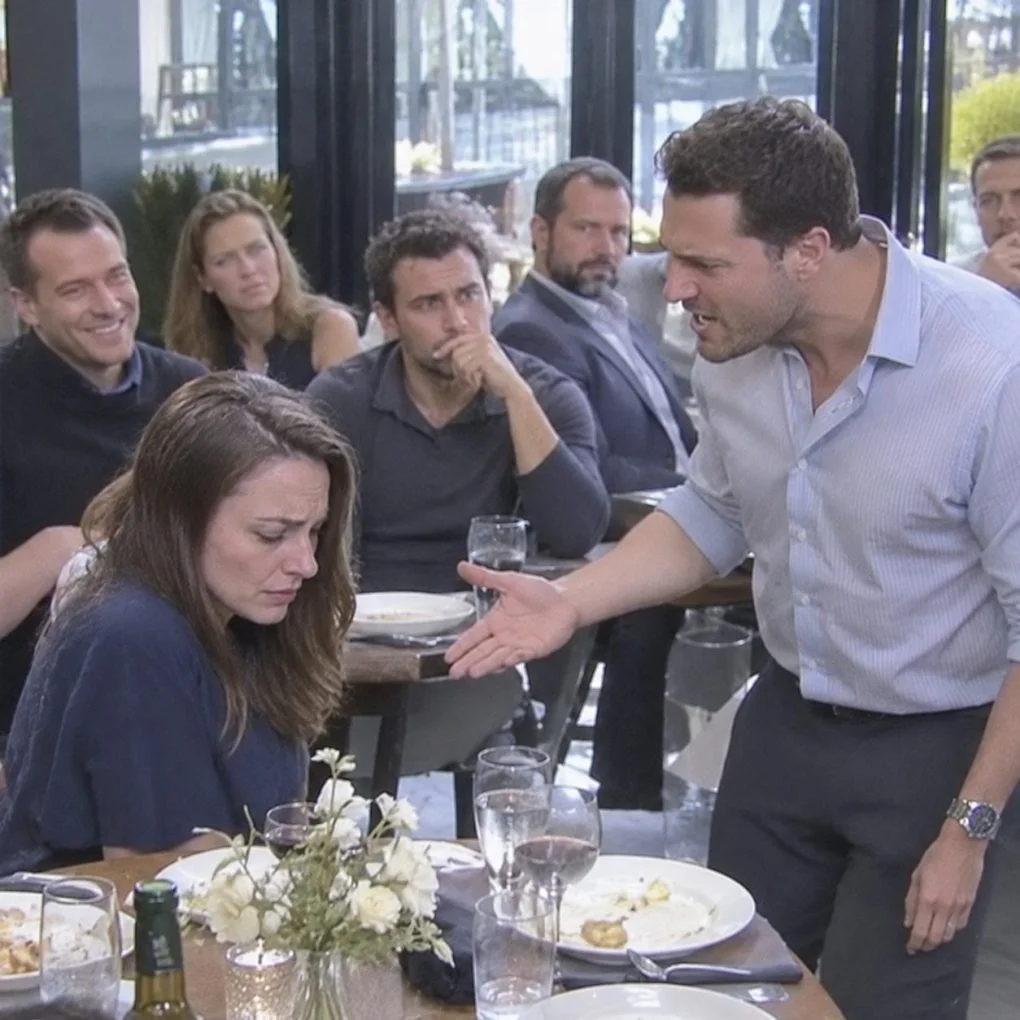
I showed them the signed $26,000 loan agreement naming Adrian as the borrower, along with redacted records of my rent payments and the transfers I’d made toward his car. Trevor, who’d laughed the loudest at dinner, rubbed his face and whispered, “He told us he paid for your apartment.”
“I know,” I said. My voice was steady, but I remembered the times I’d thanked Adrian for letting me lean on him emotionally, never imagining he was telling strangers that my paycheck and my home belonged to him.
Marcus asked permission to explain the documents to the rest of the group, and I gave it with one condition: no sharing my account numbers or personal records beyond the people Adrian had solicited. By lunchtime, their promised investments were on hold, and three apologies had arrived on my phone.
Then Marcus forwarded an email Adrian had sent to a business lender. He had submitted the false guarantee as genuine, and the lender had not approved anything because it still needed confirmation directly from me.
Attached was the agenda for Tuesday’s presentation to six potential investors. Adrian had listed me as his “Financial Partner,” with a speaking slot I had never agreed to.
On Tuesday, I wore my navy work blazer to the coworking office where Adrian planned to pitch his business. Marcus had invited me, and my attorney had already notified the lender that the guarantee bearing my signature was unauthorized.
Adrian stood beside a screen displaying photographs of events his company had produced. When he saw me, his smile slipped, but he recovered quickly and said, “Sophie, good, you can explain the financing,” as though I’d come to rescue him again.
“I can explain my name on your paperwork,” I answered. I set a copy of our signed loan agreement on the table, followed by redacted bank records showing the $26,000 I’d lent him and my payments for the apartment and his car.
The room went quiet as Marcus examined the pages. “You told us you were paying her rent,” Trevor said, his face reddening, and Adrian replied that couples shared expenses and that I was making things sound worse than they were.
“That’s true,” I said. “Couples do share expenses, and some of what I paid was freely given; I’m not asking anyone to reimburse my groceries or our dinners.” I lifted the loan agreement. “But this is money you borrowed, and this signature only authorized a loan from me to you—not a guarantee for another lender.”
Adrian stared at the documents, then at the friends whose laughter had filled the restaurant three nights earlier. “I only copied it for the presentation,” he muttered, and Marcus asked, “Then why did you send it to the bank?”
Nobody raised their voice after that. One investor closed his laptop, another pushed the printed business proposal aside, and Marcus said that until Adrian produced honest accounts and legitimate financing, none of them would provide the money he’d requested.
I remembered the night we’d eaten takeout on my apartment floor, dreaming about the business Adrian wanted to build. I had mistaken paying for his dreams for sharing them.
Before leaving, I turned to the men who’d laughed at me. “I didn’t need you to defend me as a girlfriend,” I said, keeping my hands flat on the table, “but I wish one of you had wondered why he needed to humiliate me to make himself look successful.”
Marcus apologized first; Trevor followed, awkwardly, without a joke to soften it. I thanked them for correcting what they’d heard and walked out before Adrian could ask for another private conversation.
The lender confirmed that no loan had been issued and that it had closed the application after reviewing my identity-theft report. My attorney sent a formal demand for repayment of the $26,000 under our agreement, while I gave Adrian proper written notice about leaving the apartment instead of putting his belongings outside.
He moved out six weeks later with his leased car and boxes of equipment. After negotiations, he signed a settlement, sold part of his equipment, and paid the $26,000 back in installments over the next two years; this time, every promise was written down and fulfilled.
One Saturday, I found the blue birthday gift still in my closet and donated it to a charity shop. I bought myself a pair of ordinary walking shoes, took the long route home through the park, and realized I had gone an entire afternoon without checking whether someone else needed money.
I had loved Adrian when he had very little. What he lost that night wasn’t a woman who couldn’t afford him; it was the woman who had made his life possible while forgetting to live her own.



