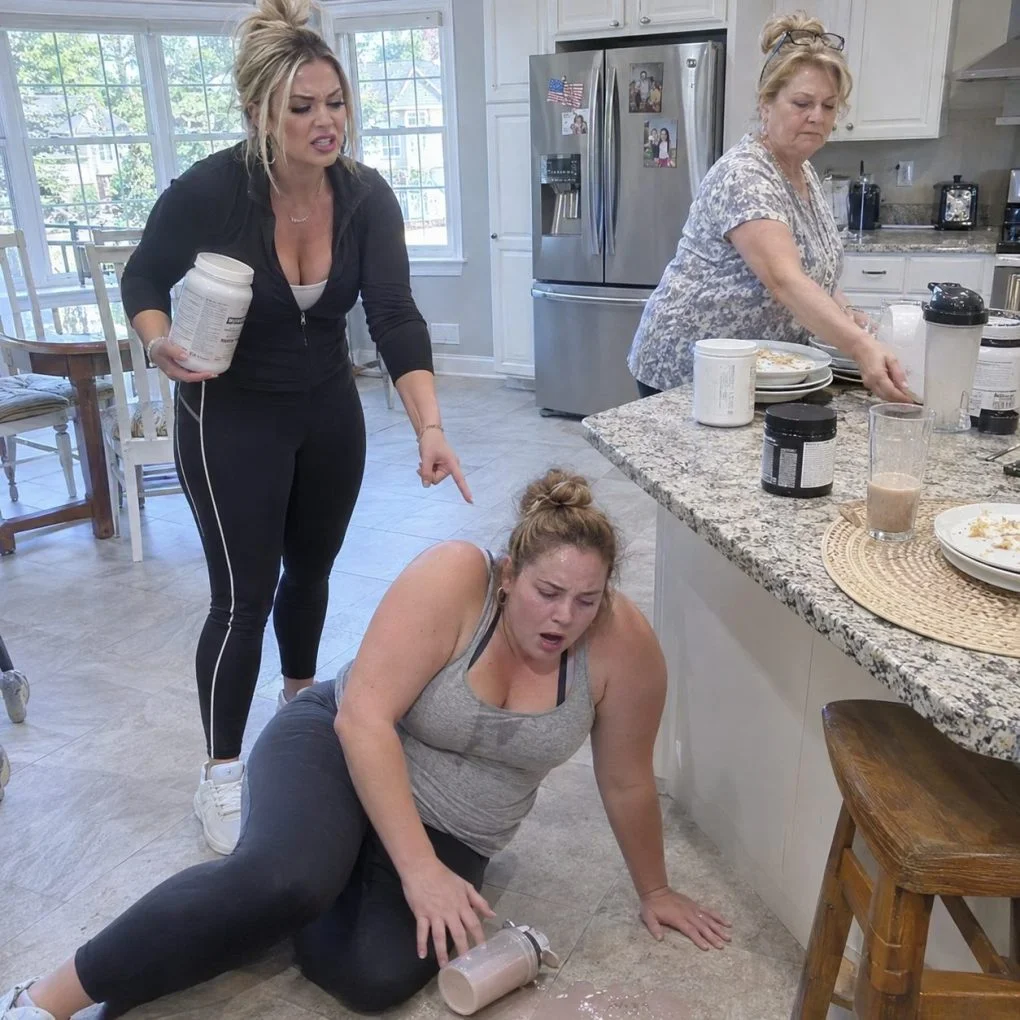
“Those messages were private.”
“So was Rachel’s medical condition,” Sarah answered. “Your daughter turned it into advertising without her informed permission.”
The conference ended without an agreement.
Over the following months, the county prosecutor reviewed the evidence, including the undisclosed ingredient, Vanessa’s internal messages, and testimony from people involved in preparing the products. Vanessa was eventually charged under applicable state law in connection with the deceptive distribution of the supplement and her conduct toward me.
The criminal case didn’t end overnight, and I didn’t pretend that one laboratory result could explain every symptom I’d experienced. Medical experts evaluated the likely contribution of the undisclosed laxative, while investigators examined the records showing what Vanessa knew and when she knew it.
Facing that evidence, Vanessa eventually entered a guilty plea to a reduced charge involving deceptive business practices. She received probation, financial penalties, and restrictions connected to the sale and promotion of dietary products.
My separate civil case ended in a settlement that covered my medical expenses, lost wages, and additional compensation. Vanessa’s company also agreed to stop using my image or personal story in its marketing.
But the moment I remember most happened outside the courthouse.
A local reporter approached Vanessa, asking whether she had anything to say to the customers who’d trusted her products. My sister adjusted her handbag and glanced toward me, expecting me to disappear as I always had when she wanted the spotlight.
Instead, I stood beside Sarah and spoke calmly.
“I trusted my sister because she was family. When I became sick, she called me lazy instead of helping me. I want people to know that being humiliated is not a treatment plan, and being related to someone doesn’t give them permission to ignore your health.”
Vanessa looked away.
For the first time in my life, I wasn’t trying to protect her reputation.
My parents called that evening, furious that I’d spoken publicly. Dad accused me of humiliating the family, and Mom insisted Vanessa’s punishment had already been severe enough.
I listened until she finished.
“Mom, I was unconscious on your kitchen floor,” I said. “You called me weak while Vanessa kept filming.”
There was a long silence.
“I didn’t know how serious it was,” she finally whispered.
“You didn’t ask.”
I ended the call.
Six months later, my kidney function had recovered, and my doctor was pleased with my progress. I began working with a registered dietitian, not because I owed anyone a smaller body, but because I wanted to rebuild a relationship with food that no longer involved fear or punishment.
I returned to my hospital billing job and started taking evening walks with Lauren. Some days we talked about work, and other days we walked quietly until the sun disappeared behind the houses.
Vanessa’s wellness company closed, and she deleted the videos featuring me. I never received the apology I’d once imagined, but I stopped checking her accounts to see whether she’d finally understood what she’d done.
On the anniversary of my collapse, Lauren invited me to dinner at a small Italian restaurant near my apartment. When the waiter brought warm bread, I reached for a piece without hearing Vanessa’s voice telling me I’d failed.
I spread a little butter across it and took a bite.
It was such an ordinary thing that nobody else at the table noticed.
But I did.
For three weeks, my sister had taught me to treat hunger as weakness and suffering as proof that I deserved to be humiliated. My parents had stood beside her because admitting she was wrong would have meant questioning the daughter they’d always admired.
The doctor hadn’t called the police because I was overweight, or because I couldn’t follow a diet. She’d helped me report what happened because someone I trusted had concealed a substance I was consuming while my health deteriorated.
Vanessa lost the business she’d built around shaming me.
I regained something much more important.
The right to decide what happened to my own body—and the courage to walk away from anyone who believed love gave them permission to hurt me.



